In recent years, dry needling has become an increasingly popular technique among physiotherapists to treat musculoskeletal pain and movement impairments. But what exactly is it, and how does it differ from acupuncture? More importantly, can this treatment really make a difference in your healing process? This comprehensive blog will answer all your questions, diving deep into the benefits, techniques, comparisons, and outcomes associated with dry needle therapy.
What is Dry Needling?
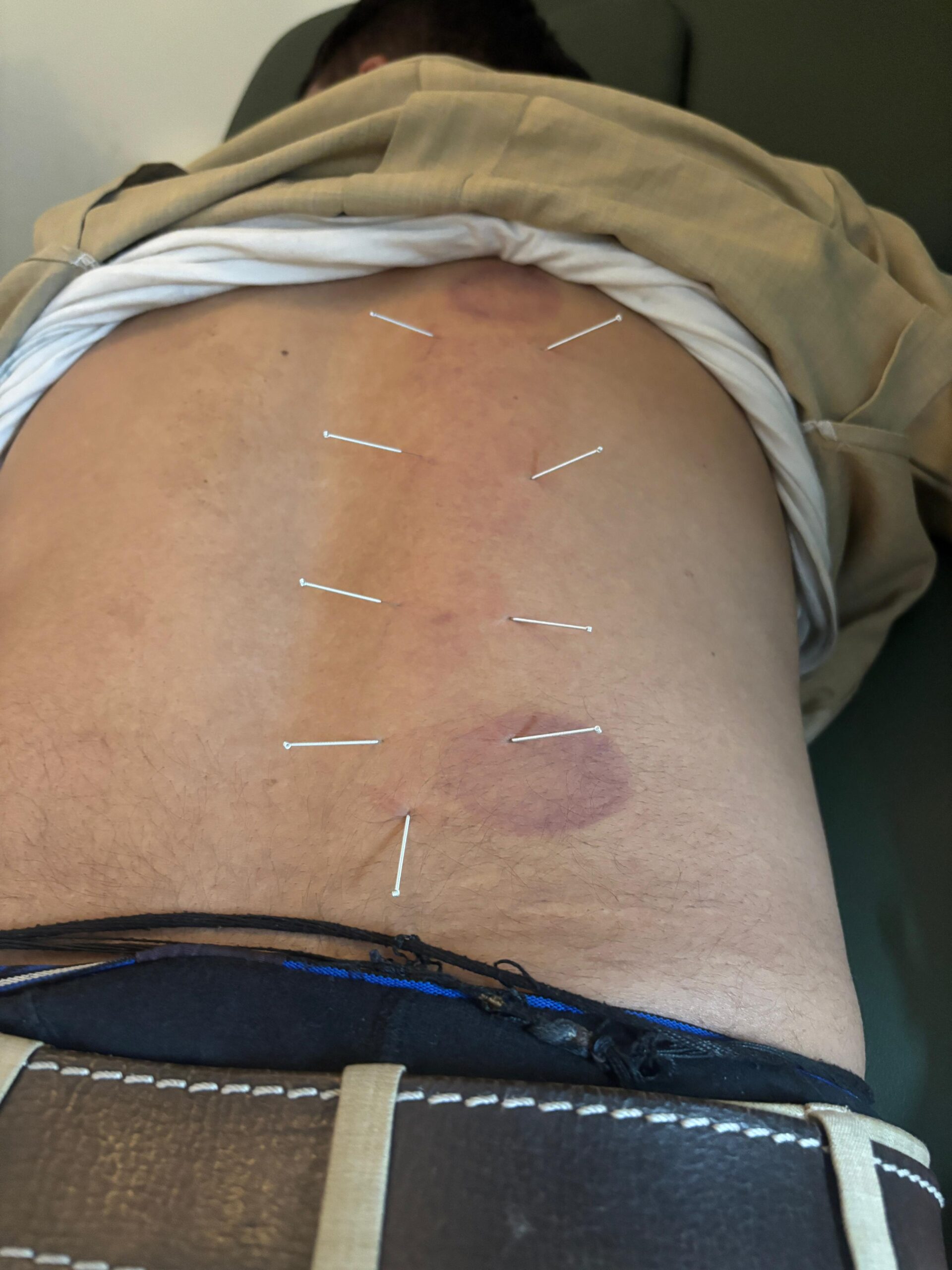
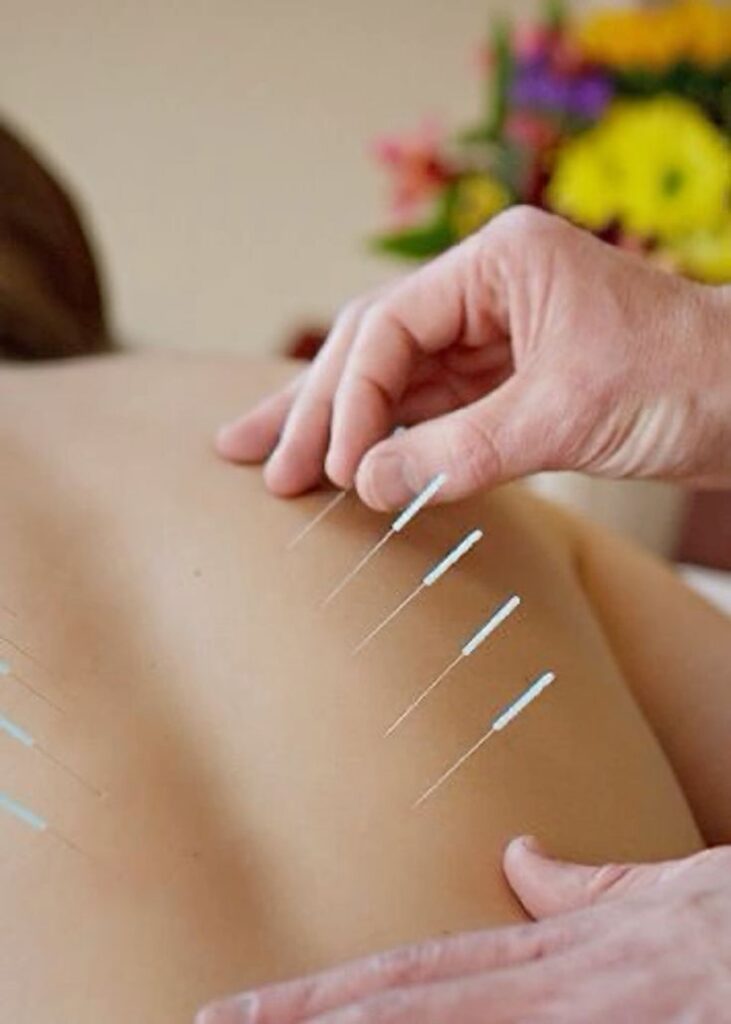
Dry needling is a treatment technique performed by certified physiotherapists. It involves inserting thin, sterile needles into trigger points — tight bands of skeletal muscle — to relieve pain and restore function. Unlike acupuncture, which is rooted in traditional Chinese medicine, dry needling is based on Western anatomical and neurophysiological principles.
The primary aim of dry needling physiotherapy is to target muscle knots and stimulate the body’s natural healing process. As the needle penetrates the skin and muscle tissue, it triggers a “twitch response,” indicating a release of muscle tension and an improvement in mobility.
Dry Needling vs Acupuncture: What’s the Difference?
While both dry needling and acupuncture involve inserting thin needles into the skin, they are fundamentally different in terms of philosophy, technique, and application.
| Feature | Dry Needling | Acupuncture |
|---|---|---|
| Origin | Western Medicine | Traditional Chinese Medicine |
| Purpose | Treat muscular pain, trigger points | Balance energy flow (Qi) |
| Target Areas | Myofascial trigger points | Specific meridians and acupuncture points |
| Performed By | Physiotherapists or Medical Practitioners | Licensed Acupuncturists |
| Scientific Approach | Evidence-based, anatomical focus | Holistic and energy-based |
Both therapies offer benefits, but dry needle treatment is particularly effective for addressing musculoskeletal pain and dysfunction.
How Does it Work?
Dry needling works by creating a micro-lesion within the trigger point, leading to a localized inflammatory response. This promotes blood flow, breaks down adhesions, and accelerates the healing process.
The Process:
- Assessment: The physiotherapist identifies tight muscles and trigger points.
- Insertion: A thin needle is inserted into the identified point.
- Twitch Response: The muscle contracts momentarily, then relaxes.
- Relief: Pain is reduced, and mobility improves within sessions.
Benefits
There are several scientifically-backed dry needling benefits, including:
- Immediate pain relief
- Improved range of motion
- Muscle relaxation
- Reduced inflammation
- Enhanced recovery post-injury
- Better posture and function
- Complementary to other physiotherapy treatments
Because it addresses the root cause of muscle tightness, dry needling often delivers faster and more lasting results compared to other modalities.
Common Conditions Treated
Dry needling is useful in treating a wide range of conditions:
- Chronic neck and back pain
- Headaches and migraines
- Sciatica
- Tennis elbow
- Knee osteoarthritis
- Plantar fasciitis
- Shoulder impingement
- Myofascial pain syndrome
Many patients often ask: Does dry needling cure plantar fasciitis?
While it is not a cure-all, dry needle therapy significantly reduces the tightness in the calf and foot muscles that contribute to plantar fasciitis, making it a powerful part of a comprehensive treatment plan.
Dry Needling and Physiotherapy: A Perfect Match
Combining dry needling physiotherapy with exercises, stretching, manual therapy, and education enhances outcomes. At our physiotherapy clinic near you, dry needling is often used alongside:
- Strengthening exercises
- Joint mobilization
- Postural correction
- Electrotherapy
This integrated approach ensures long-term relief rather than just masking symptoms.
Can I Workout After the Session?
A common question is: Can I workout after dry needling?
Yes — but with caution. Most people can resume light activity within a few hours. However, high-intensity workouts should be avoided for at least 24 hours, especially if you feel sore. Your physiotherapist will guide you on the right post-treatment plan based on your condition.
What to Expect During a Session
At a reputed physiotherapy nearby, such as Pelvispine, here’s what a typical dry needling session looks like:
- A thorough evaluation of your muscle tightness and pain points
- Explanation of the treatment plan
- Needle insertion using sterile, single-use needles
- Mild soreness post-treatment (like a workout ache)
- Follow-up care and exercise suggestions
Most sessions last 20–40 minutes and may be repeated weekly or biweekly based on your response.
Is it Safe?
Yes, dry needling is considered very safe when performed by trained professionals. Minor side effects like temporary soreness or bruising are common, but serious complications are rare.
Always ensure your treatment is performed at a certified physiotherapy clinic near me or a physiotherapy nearby to avoid risks.
Finding Dry Needling Near Me
Looking for dry needling near me? Make sure the clinic has:
- Certified physiotherapists
- Good reviews and success stories
- Clean, hygienic facilities
- A customized approach to therapy
Pelvispine Physiotherapy & Rehab Centre in Punjabi Bagh, New Delhi, is one such trusted center offering expert dry needle treatment.
Final Thoughts: Is Dry Needling Right for You?
So, what is dry needling really about? It’s about precise, targeted therapy that goes deep into the muscle tissue to relieve pain, improve function, and restore movement.
Whether you’re dealing with a nagging sports injury, chronic back pain, or plantar fasciitis, it might just be the game-changer you need. Combined with physiotherapy, it creates a powerful pathway to healing.
Ready to experience the benefits of dry needling?
📍 Visit Pelvispine Physiotherapy & Rehab Centre, Punjabi Bagh Extension, New Delhi
📞 +91 8799756818
🌐 www.pelvispine.in
📩 pelvispinephysio@gmail.com
Take control of your recovery today — because pain-free movement is possible with expert care.
Your healing. Our priority. Rise Above Pain. Rise Above Limits.