

In today’s sedentary lifestyle, poor posture is one of the leading causes of back pain, neck strain, and reduced mobility. Whether you’re a student glued to a screen or a professional sitting at a desk for hours, the consequences of incorrect posture often creep up unnoticed. That’s when the hunt for solutions begins. Two of the most widely discussed remedies are posture corrector belts and physiotherapy posture correction. But which one truly offers lasting results?
In this blog, we’ll compare the effectiveness, benefits, and limitations of posture correction belts and physiotherapy-based solutions, helping you understand how to improve posture in a sustainable and evidence-based manner.
Understanding the Problem: What is Poor Posture?
Before choosing a solution, it’s vital to understand what poor posture entails. In simple terms, posture refers to the alignment and positioning of your body parts — particularly the spine — when sitting, standing, or lying down.
Poor posture can result from:
- Prolonged sitting
- Weak core muscles
- Muscle imbalances
- Lack of physical activity
- Poor ergonomics
The most common types of postural issues include forward head posture, rounded shoulders, anterior pelvic tilt, and hunchback. These conditions can cause muscle fatigue, joint strain, and even nerve compression.
Therefore, learning how to correct posture effectively is more than just a cosmetic goal — it’s essential for long-term health.
What is a Posture Corrector Belt?
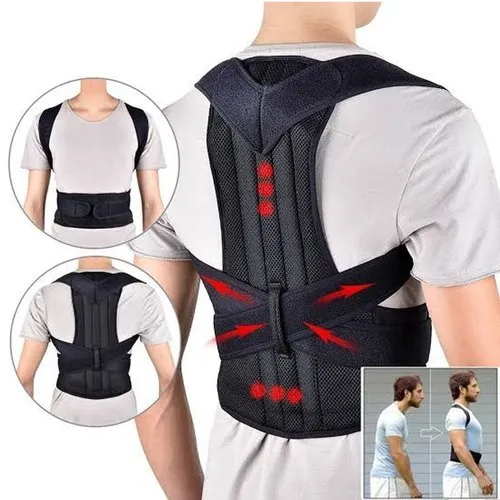
A posture corrector belt is a wearable device designed to support your back and shoulders. It helps you maintain an upright position by limiting slouching and guiding your body into a more aligned state. Posture belts are often promoted as quick-fix solutions to combat poor posture, especially among office workers.
Pros of Posture Corrector Belts:
- Easy to use
- Affordable and accessible
- Provide immediate external support
- Offer short-term relief from discomfort
Cons:
- Can lead to muscle dependency
- May restrict natural movement
- Do not address the root cause of poor posture
- Not suitable for long-term use
In short, while a posture corrector belt might offer instant support, it doesn’t teach your muscles how to fix posture naturally.
Physiotherapy for Posture Correction: A Holistic Approach
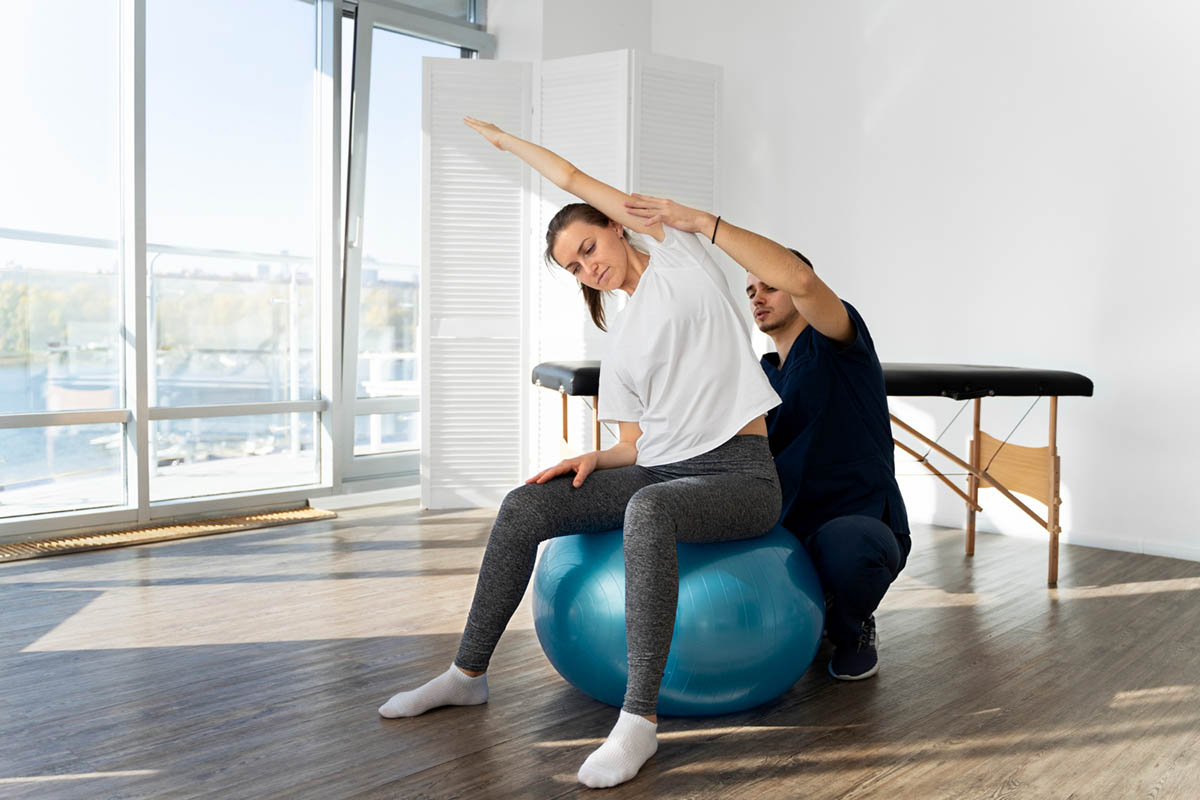
In contrast to belts, physiotherapy posture correction focuses on strengthening weak muscles, improving flexibility, and restoring balance in the musculoskeletal system. A qualified physiotherapist evaluates your posture, identifies misalignments, and tailors a plan that may include:
- Posture correction exercises physiotherapy
- Ergonomic recommendations
- Manual therapy
- Stretching and strengthening routines
Pros of Physiotherapy:
- Treats the root cause
- Builds long-term muscle memory
- Customized to individual needs
- Includes education on correct sitting posture and correct sleeping posture
Cons:
- Requires time and consistency
- Can be costlier than posture belts
- Needs commitment and professional guidance
However, when it comes to sustainable outcomes, physiotherapy posture correction is backed by scientific evidence and real-world results.
Comparing Posture Correction Belts and Physiotherapy
Let’s break down the comparison:
| Feature | Posture Corrector Belt | Physiotherapy Posture Correction |
|---|---|---|
| Effectiveness | Temporary | Long-term improvement |
| Dependency Risk | High | Low |
| Root Cause Treatment | No | Yes |
| Personalization | One-size-fits-all | Tailored to individual needs |
| Education Component | Minimal | Extensive |
| Sustainability | Low | High |
| Muscle Strengthening | No | Yes |
Clearly, if you’re serious about understanding how to fix posture rather than masking it, physiotherapy offers a more comprehensive path.
The Role of Posture Correction Exercises
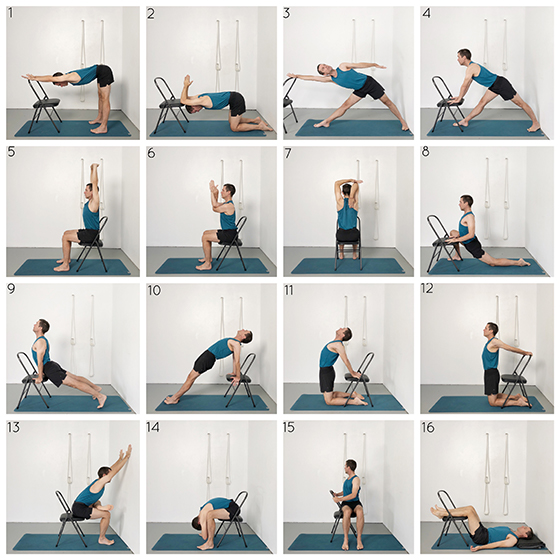
A major component of physiotherapy is posture correction exercises. These help re-educate the body and strengthen key muscles such as the core, back, and shoulders. When done consistently, they retrain your brain and body to adopt healthy positions.
Top Exercises to Improve Posture:
- Wall Angels – Great for realigning the upper back.
- Chin Tucks – Corrects forward head posture.
- Plank Holds – Builds core strength.
- Thoracic Extensions – Mobilizes the spine.
- Shoulder Blade Squeezes – Activates upper back muscles.
Incorporating these exercises into your routine can significantly aid in how to improve posture naturally.
Why People Choose Belts Over Physiotherapy
Despite the benefits of physiotherapy, posture corrector belts remain popular. Why?
- Convenience: Belts require no effort.
- Affordability: Initial costs are low.
- Marketing Influence: Promises of quick fixes are tempting.
However, quick fixes rarely translate to long-lasting solutions. The truth is, without addressing the muscle weaknesses and movement patterns, poor posture is likely to return once the belt is removed.
Combining Both Approaches: Is It Possible?
Yes, combining both methods can work, especially in the early stages of postural correction. Some physiotherapists may recommend temporary use of a posture corrector alongside exercises to offer support during the transition phase.
For instance:
- Use a belt for 30–60 minutes a day
- Perform posture correction exercises physiotherapy daily
- Focus on strengthening the upper back and core
- Get periodic assessments by a physiotherapist
This hybrid strategy can help you stay mindful of your posture while building the strength to maintain it independently.
Correct Sitting and Sleeping Posture: The Often Overlooked Key
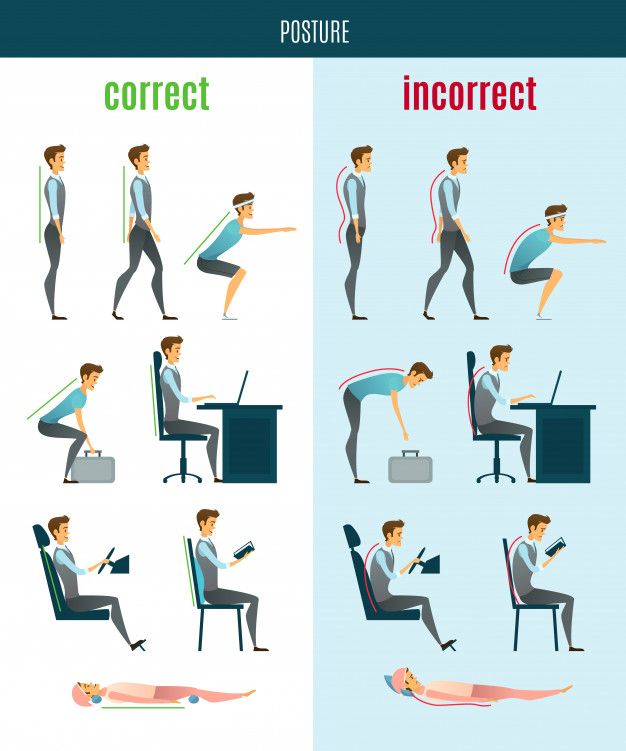
Even the best exercises or tools won’t be effective unless you adopt a correct sitting posture and correct sleeping posture. Here are quick tips:
Correct Sitting Posture:
- Keep feet flat on the floor
- Use lumbar support
- Keep your monitor at eye level
- Avoid slouching or leaning forward
Correct Sleeping Posture:
- Use a medium-firm mattress
- Sleep on your back or side (not stomach)
- Use a pillow that supports neck alignment
- Place a pillow between knees if sleeping on the side
These habits reinforce the benefits of therapy and prevent relapse.
When to See a Physiotherapist
If you’re experiencing any of the following, it’s time to seek professional help:
- Chronic neck, shoulder, or back pain
- Headaches related to posture
- Difficulty maintaining upright posture
- Muscle tightness or imbalance
A physiotherapy nearby clinic can help assess your alignment and suggest a personalized program.
Conclusion: Which One is Better?
If you’re still wondering whether to choose a posture corrector belt or physiotherapy posture correction, here’s a simple way to decide:
| Goal | Best Approach |
| Quick temporary support | Posture Corrector Belt |
| Long-term posture correction | Physiotherapy |
| Muscle strengthening | Physiotherapy |
| Education and awareness | Physiotherapy |
| Pain management | Physiotherapy |
Physiotherapy wins when it comes to lasting results, health benefits, and empowering you to take control of your posture. Belts may serve as a helpful reminder tool, but they should never replace proper assessment and a customized plan.
Ready to Improve Your Posture the Right Way?
Pelvispine Physiotherapy & Rehab Centre, located in Punjabi Bagh Extension, New Delhi, offers expert posture correction physiotherapy designed to rebuild your foundation.
📍 Address: 1/6, Lane 56, Punjabi Bagh Extension, New Delhi 110026
📞 Call: +91 8799756818
🌐 Visit: www.pelvispine.in
📩 Email: pelvispinephysio@gmail.com
Don’t just wear your posture — own it. With the right therapy and commitment, better posture is within reach!