
Introduction
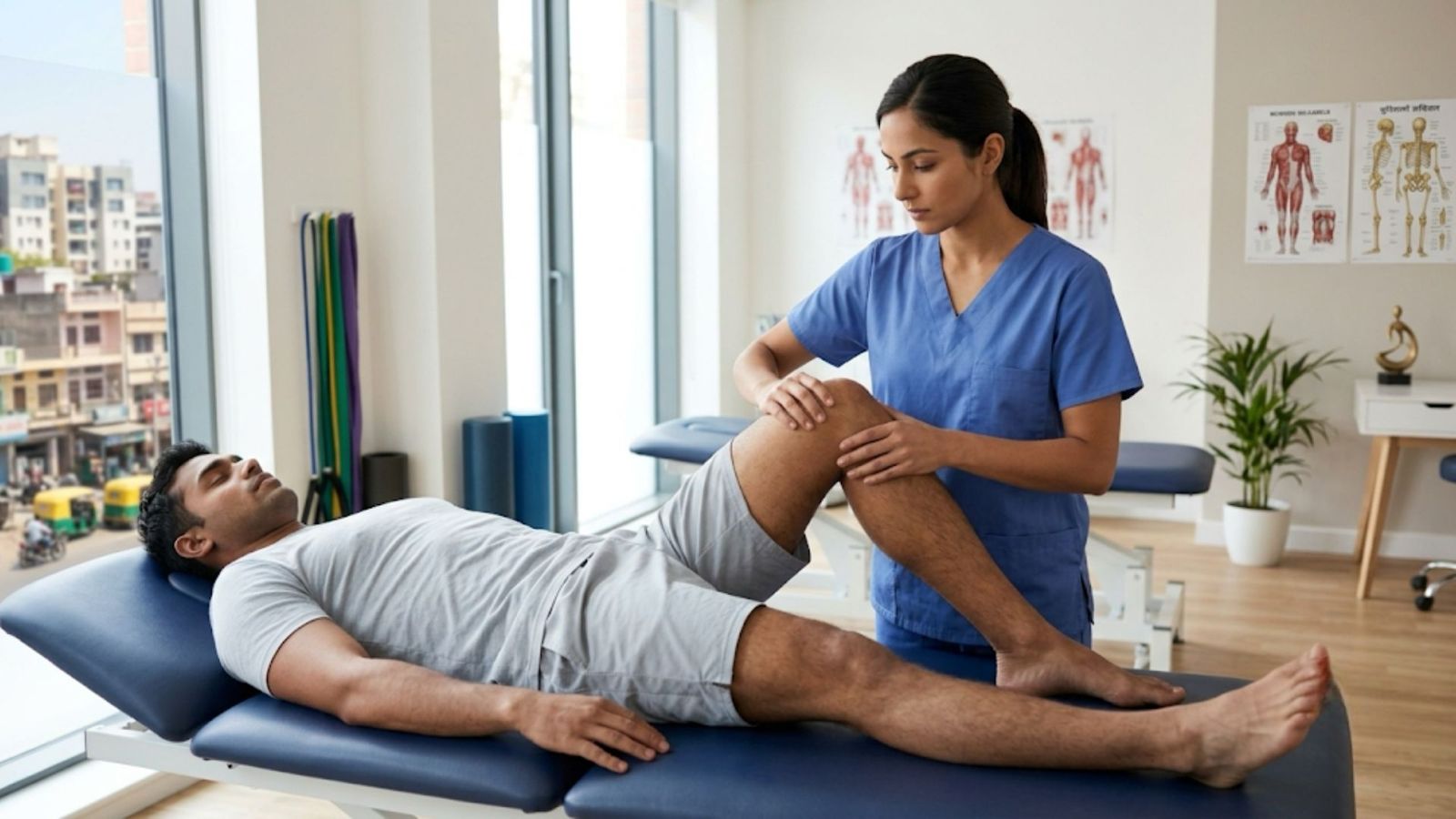
Knee pain is a common problem that can affect people of almost every age. It may develop after a sports injury, excessive physical activity, prolonged sitting, or an awkward movement, or gradually due to changes in the knee joint. For some people, the discomfort is temporary, while for others it can interfere with walking, climbing stairs, exercising, working, or performing everyday activities.
Understanding the possible cause of knee pain is important because treatment depends on what is contributing to the symptoms. A painful knee does not always mean that there is serious damage, and the same symptom can occur because of very different conditions.
Physiotherapy can play an important role in assessing movement, improving strength and mobility, managing symptoms, and helping people gradually return to their normal activities. However, persistent or severe symptoms should be assessed by an appropriate healthcare professional.
What Is Knee Pain?
The knee is a complex joint that connects the thigh bone (femur) with the shin bone (tibia), with the kneecap (patella) positioned at the front. It also contains important structures such as cartilage, ligaments, tendons and muscles that work together to provide stability and movement.
Knee pain refers to discomfort occurring around or within this joint. It can feel different depending on its underlying cause.
Some people may experience:
- A dull or aching sensation
- Sharp pain during particular movements
- Stiffness after sitting or resting
- Swelling around the knee
- Pain while climbing stairs
- Discomfort during squatting or kneeling
- Difficulty walking or standing for long periods
- A feeling of weakness or instability
The location and behaviour of the pain, along with other symptoms, can provide useful information during a physical assessment.
Common Causes of Knee Pain
There are many possible causes of knee symptoms. Some are related to injuries, while others develop gradually.
Muscle or Soft-Tissue Strain
Sudden increases in physical activity, repetitive movements or improper training can place additional stress on the muscles and soft tissues surrounding the knee.
This may result in discomfort during movement and may improve with appropriate activity modification and rehabilitation.
Ligament Injuries
Ligaments help stabilise the knee joint. A sudden twist, change in direction, fall or sports-related injury can sometimes damage a ligament.
Symptoms may include pain, swelling, difficulty putting weight on the leg or a feeling that the knee is unstable.
Meniscus Problems
The menisci are pieces of cartilage that help distribute load within the knee. They can become injured during twisting or pivoting movements and can also undergo age-related changes.
Some people may experience pain, swelling, clicking, or difficulty fully bending or straightening the knee.
Patellofemoral Pain
Pain around or behind the kneecap is sometimes associated with patellofemoral problems. It may become noticeable during activities such as running, squatting, climbing stairs or sitting for prolonged periods.
Strength, movement patterns, training load and other factors can contribute to symptoms.
Osteoarthritis
Osteoarthritis is a condition that can cause pain, stiffness and difficulty moving a joint. The knees are among the joints commonly affected.
Symptoms can vary considerably between individuals and may include pain during activity, stiffness and swelling. Age, previous injury, genetics and body weight are among factors associated with knee osteoarthritis.
Tendon Problems
Tendons connect muscles to bones. Repetitive loading from activities such as running, jumping or sports can sometimes cause tendon-related knee pain.
Symptoms may become more noticeable during or after activity and may require appropriate load management and progressive rehabilitation.
Common Symptoms to Watch For
The symptoms associated with knee problems can vary considerably.
You may notice:
- Pain while walking
- Pain when climbing or descending stairs
- Stiffness after sitting
- Swelling
- Reduced knee movement
- Difficulty squatting
- Pain during exercise
- Weakness in the leg
- Clicking or popping
- A feeling of instability
- Difficulty standing for long periods
The presence of one symptom does not necessarily identify the exact cause. A proper assessment is important, particularly when symptoms persist or interfere with normal activities.
When Should You Seek Professional Help?
Mild symptoms may sometimes settle with appropriate activity modification and self-care. However, professional assessment is recommended when symptoms continue, repeatedly return, or interfere with daily activities.
Seek urgent medical attention if your knee is severely painful, significantly swollen, has changed shape, you cannot move it or put weight on it, or the knee is hot and red with fever or feeling unwell. These symptoms can require prompt medical assessment.
After an injury, a healthcare professional may also need to determine whether further examination or imaging is appropriate.
Do not rely on an online article to diagnose the exact cause of your symptoms.
How Is Knee Pain Treated?
Treatment depends on the cause, severity, and individual circumstances.
A healthcare professional may recommend a combination of:
- Activity modification
- Therapeutic exercises
- Strengthening
- Mobility exercises
- Manual therapy where appropriate
- Gradual return to activity
- Weight-management support where appropriate
- Medication prescribed or recommended by a qualified professional
- Further medical investigation when necessary
The goal is not simply to reduce discomfort temporarily. A good rehabilitation programme should also address factors that may be contributing to the problem and help restore movement and function.
For example, physiotherapy for knee osteoarthritis may include exercises designed to improve knee movement and strengthen muscles supporting the joint.
How Can Physiotherapy Help With Knee Problems?
Physiotherapy can be useful for many musculoskeletal conditions affecting the knee.
A physiotherapist may begin by assessing:
- Your symptoms and medical history
- Knee movement
- Muscle strength
- Balance and coordination
- Walking pattern
- Functional movements
- Activity levels
- Factors that may be increasing stress on the knee
Based on the assessment, an individual rehabilitation programme can be developed.
Exercise-Based Rehabilitation
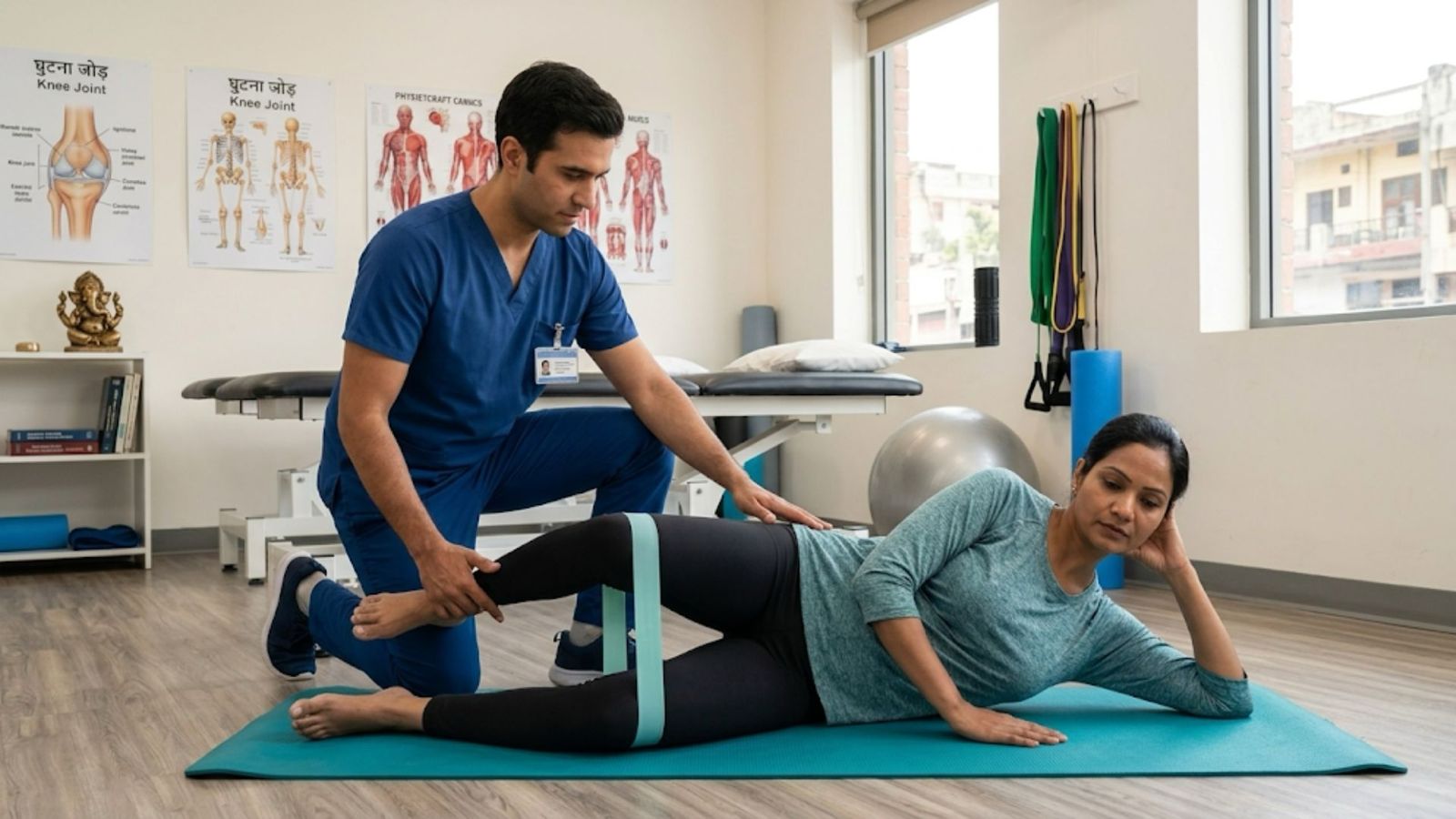
Exercise is often an important part of knee rehabilitation. Depending on the individual, a programme may include strengthening exercises for the quadriceps, hamstrings, gluteal muscles and other supporting muscles.
Exercises may also focus on balance, coordination, flexibility and functional movements.
The programme should be progressed gradually rather than assuming that the same exercises are suitable for everyone.
Improving Mobility and Movement
Stiffness or reduced movement can make everyday activities more difficult.
A physiotherapist can help identify movement limitations and prescribe appropriate exercises to gradually improve mobility and function.
This can be particularly useful for people who have become less active because of persistent symptoms.
Managing Activity Levels
Completely avoiding movement for long periods is not always the best approach.
Instead, rehabilitation often involves finding an appropriate level of activity and gradually increasing physical demands as the knee becomes stronger and more capable.
For people with osteoarthritis, exercise and other non-surgical approaches are important parts of management.
Simple Steps That May Help
If your symptoms are mild and there has been no serious injury, some basic measures may help manage discomfort.
You can consider:
Reduce activities that aggravate the symptoms:
Temporarily modify activities that significantly increase pain rather than repeatedly pushing through them.
Keep moving appropriately:
Gentle movement can help prevent excessive stiffness. The appropriate amount of activity depends on the cause and severity of your symptoms.
Use ice when appropriate:
For some acute injuries or swelling, an ice pack wrapped in a towel may provide temporary relief. The NHS advises using an ice pack for up to 20 minutes at a time and avoiding direct contact with the skin.
Gradually return to exercise:
If your symptoms developed after increasing your training, return to activity progressively rather than immediately returning to your previous intensity.
Get assessed if symptoms persist:
If the problem continues or keeps returning, professional assessment can help identify the contributing factors.
For additional general information, you can also read the official NHS guidance on knee problems and self-care.
Can Knee Pain Be Prevented?
Not every knee problem can be prevented, particularly when symptoms are related to unavoidable injuries or age-related changes.
However, several habits can support healthy movement:
- Increase exercise intensity gradually
- Warm up before demanding physical activity
- Include strength training in your routine
- Maintain appropriate levels of physical activity
- Give your body adequate recovery time
- Avoid suddenly increasing training volume
- Use appropriate footwear for your activity
- Address recurring pain rather than repeatedly ignoring it
For runners and athletes, gradually managing training load is particularly important. Running-related knee problems can occur in both beginners and experienced runners.

Knee Pain After an Injury
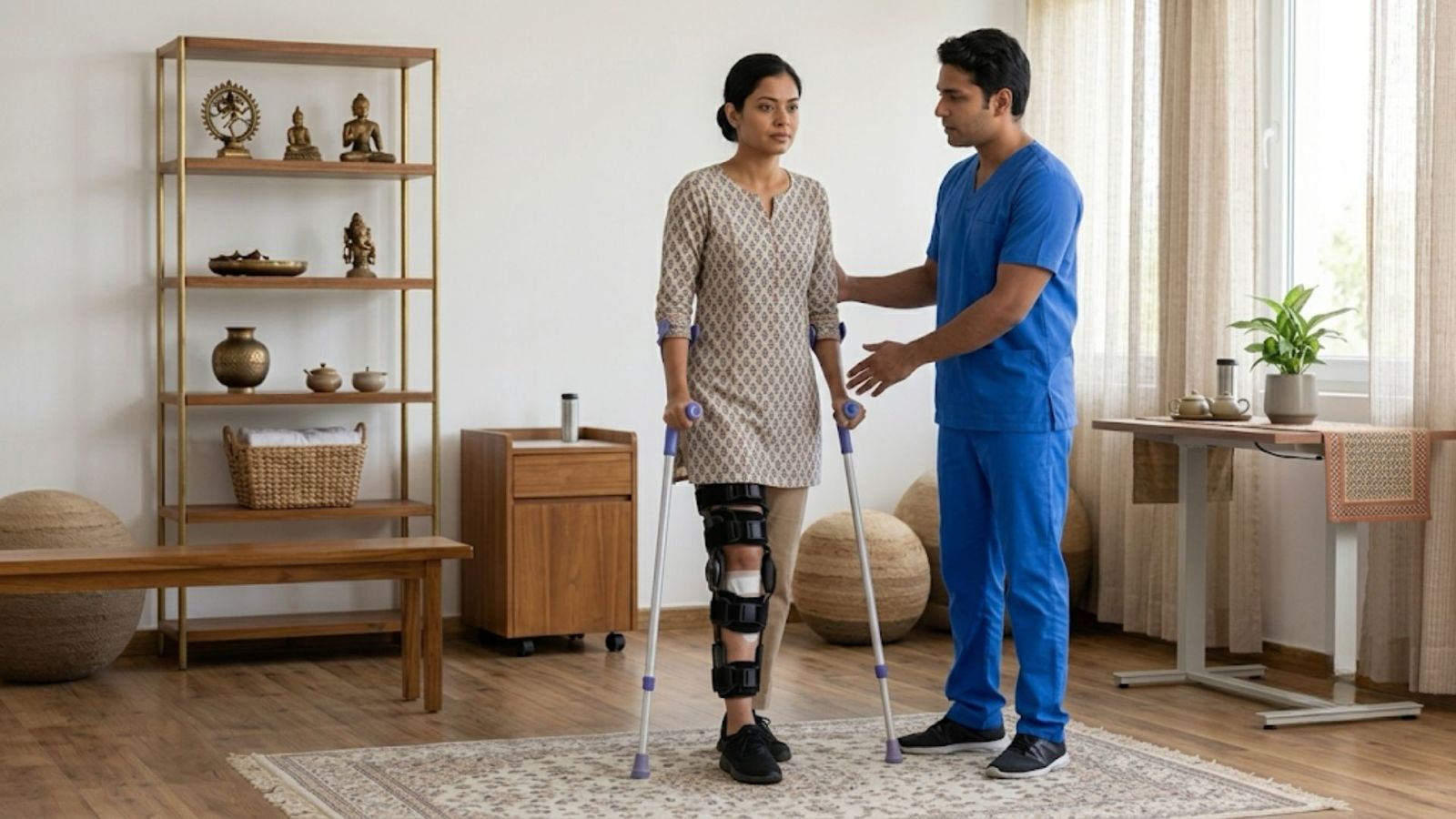
Knee symptoms following a fall, twist, collision or sports injury should be taken seriously, especially when accompanied by significant swelling, instability or difficulty putting weight on the leg.
Some injuries may involve structures such as ligaments, tendons, cartilage or menisci. The American Academy of Orthopaedic Surgeons notes that meniscal injuries, for example, can occur with twisting, cutting, pivoting or squatting movements.
If you experience a significant injury, avoid trying to diagnose the specific structure yourself. A qualified professional can determine whether further assessment is required.
Why Early Rehabilitation Can Be Helpful
People sometimes wait until symptoms become severe before seeking professional help. However, addressing movement limitations and strength deficits earlier may help prevent unnecessary disruption to daily activities.
A physiotherapist can help you understand:
- What movements may be aggravating your symptoms
- Which activities can be continued safely
- Which exercises are appropriate
- How to progress your rehabilitation
- When you can gradually return to sport or exercise
The objective is to help you regain confidence in your knee rather than simply avoiding movement.
Frequently Asked Questions
Is knee pain always caused by arthritis?
No. Knee symptoms can result from many different causes, including injuries, tendon problems, ligament injuries, meniscus problems and patellofemoral pain. Arthritis is only one possible cause.
Can physiotherapy help with knee pain?
Physiotherapy can help many people with knee-related musculoskeletal problems by addressing strength, mobility, movement and physical function. The appropriate treatment depends on the underlying problem.
Should I exercise if my knee hurts?
It depends on the cause and severity of the symptoms. Some movement and exercise can be beneficial, but exercises should be appropriate for your condition. Severe or unexplained symptoms should be professionally assessed.
How long does knee pain take to improve?
There is no single recovery time. It depends on the cause, severity, duration of symptoms, activity levels, and individual health factors. Persistent or worsening symptoms should be assessed.
When should I see a physiotherapist?
Consider professional assessment if symptoms are affecting walking, exercise, stairs, work or daily activities, or if they continue despite reasonable self-care.
Conclusion
Knee pain can have many different causes, and understanding the factors contributing to your symptoms is an important part of effective rehabilitation. Whether symptoms develop after an injury, physical activity, prolonged inactivity or gradually over time, the right approach depends on an individual assessment.
Physiotherapy can help improve strength, mobility, movement control and confidence while supporting a gradual return to everyday activities and exercise.
If your knee symptoms are persistent, recurrent or affecting your quality of life, consider getting assessed by a qualified healthcare professional rather than continuing to manage the problem on your own.
At Pelvispine Physiotherapy & Rehab Centre, our physiotherapy services focus on personalised assessment and rehabilitation to help patients work towards better movement and function.