
Introduction
Lower back pain is one of the most common physical problems affecting people of different ages. It can develop after an injury, prolonged sitting, repetitive physical activity, poor movement habits, or sometimes without an obvious cause. For some people, the discomfort lasts only a few days, while others experience recurring or persistent pain that affects work, sleep, exercise and everyday activities.
According to the World Health Organization (WHO), low back pain affected an estimated 619 million people globally in 2020 and remains the leading cause of disability worldwide.
Understanding what may be contributing to your symptoms is an important first step. Lower back pain treatment should be based on an appropriate assessment rather than simply treating the painful area. Physiotherapy can play an important role in improving movement, strength, physical function and confidence during recovery.
At Pelvispine Physiotherapy & Rehab Centre, we provide personalised physiotherapy care designed around each patient’s condition, functional needs and recovery goals, including convenient home physiotherapy services where appropriate.
What Is Lower Back Pain?
Lower back pain refers to discomfort or pain felt in the area between the lower ribs and the buttocks. It may be mild or severe and can occur suddenly or develop gradually.
Low back pain can be classified as acute, subacute or chronic depending on how long it persists. In many cases, no single structural cause can be identified. The WHO notes that non-specific low back pain accounts for a large proportion of cases.
Pain may remain around the lower back or sometimes be accompanied by discomfort extending towards the buttocks or legs. The symptoms and their severity can vary considerably from person to person.
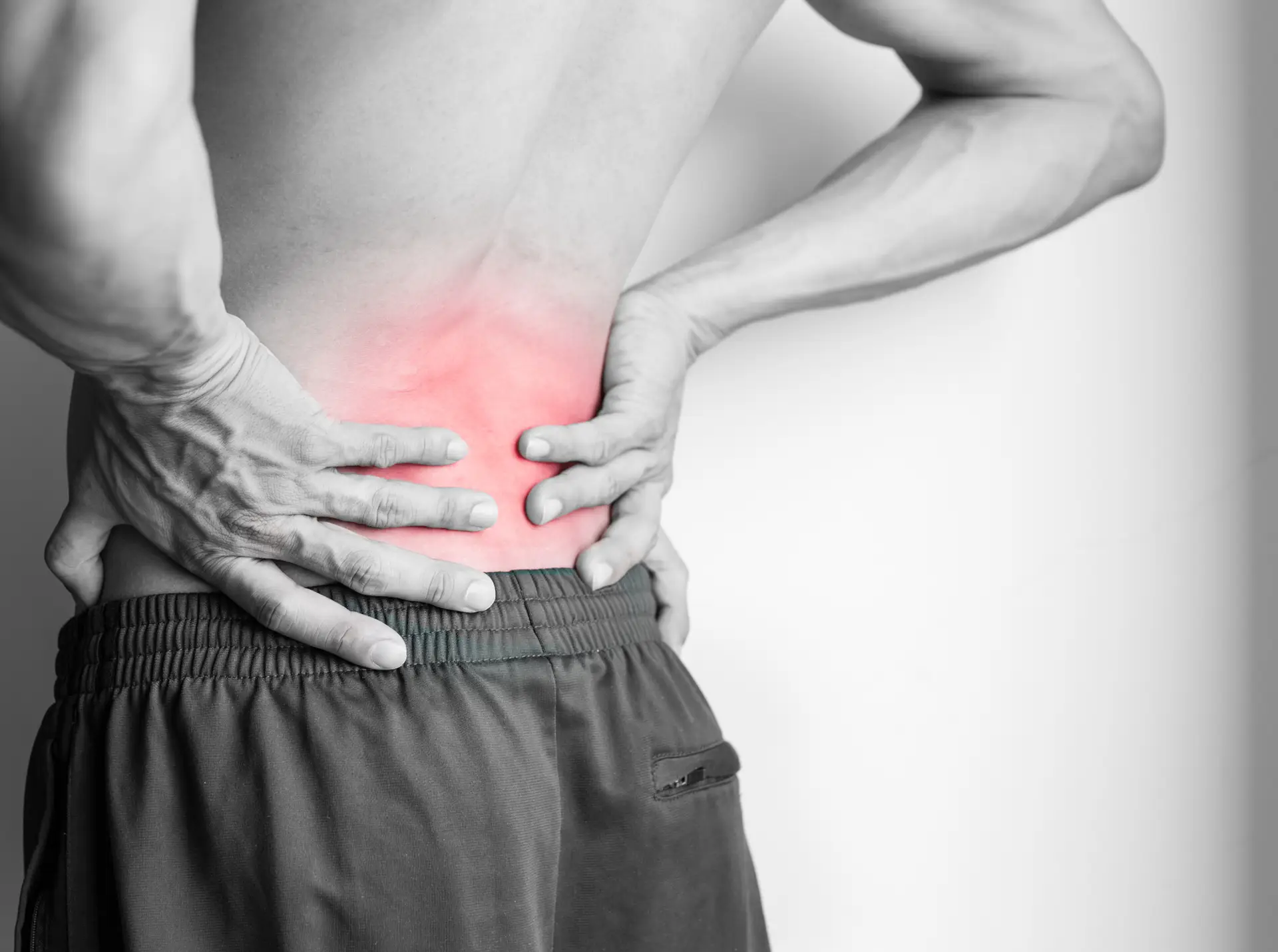
Common Causes of Lower Back Pain
Lower back pain can develop for many different reasons. In some cases, it may be related to muscles and joints, while in others it can be associated with previous injuries, lifestyle habits, or changes in the spine. Understanding the possible cause can help you choose the right approach to recovery.
-
Muscle Strain
Lifting heavy objects, sudden movements, repetitive activities, or excessive physical activity can strain the muscles and other soft tissues around the lower back. This may lead to pain, stiffness, tenderness, or difficulty with certain movements.
Muscle strain can also occur when the body is not adequately prepared for a physical activity or when exercise is performed with improper technique. Gradually improving strength and mobility can help reduce the risk of repeated strain.
-
Prolonged Sitting
Spending long periods sitting at a desk, driving, or using a computer can contribute to stiffness and discomfort in the lower back. Sitting for extended periods may also reduce movement throughout the day, particularly when combined with limited physical activity.
Maintaining a comfortable sitting position, taking regular movement breaks, and incorporating simple mobility exercises into your routine can help reduce stiffness and support better movement.
-
Poor Movement Habits
Repeatedly bending, twisting, reaching, or lifting objects without appropriate movement strategies may increase stress on the lower back. These habits can become particularly problematic when they are repeated frequently at work, during household activities, or while exercising.
Learning how to move safely and improving coordination, flexibility, and strength can make everyday activities easier and may help reduce unnecessary strain on the back.
-
Weakness and Reduced Physical Activity
Reduced muscle strength and low levels of physical activity can affect the body’s ability to tolerate everyday movements and physical demands. Weakness around the core, hips, and lower limbs may also influence how the body distributes load during activities.
A physiotherapist can assess movement and strength and develop an exercise programme based on an individual’s needs, fitness level, and recovery goals.
-
Previous Injuries
An earlier back injury may contribute to recurring symptoms, particularly if strength, mobility, and movement patterns have not fully recovered. Some people may also change the way they move after an injury to avoid discomfort, which can sometimes place additional stress on other areas.
A structured rehabilitation programme can help gradually restore strength, mobility, confidence, and normal movement following an injury.
-
Age-Related Changes
Changes in the spine and surrounding tissues can occur naturally with age. However, imaging findings do not always directly explain the severity of someone’s pain. Some people may have age-related changes without experiencing significant symptoms.
For this reason, assessment should consider the person’s symptoms, movement, physical function, and daily activities rather than relying only on an X-ray or scan.
-
Stress and Poor Sleep
Stress, fatigue, and poor sleep can influence how the body experiences and responds to pain. When someone is under prolonged stress or not getting enough restorative sleep, pain may feel more noticeable and recovery may become more difficult.
Addressing sleep, activity levels, relaxation, and other lifestyle factors alongside appropriate physical rehabilitation can be helpful for people experiencing persistent lower back pain.
Symptoms You Should Pay Attention To
Lower back pain can feel different depending on the individual and the underlying cause.
Common symptoms include:
- Aching or stiffness in the lower back
- Difficulty bending or straightening
- Pain after sitting for long periods
- Discomfort while standing or walking
- Difficulty getting up from a chair or bed
- Reduced ability to perform normal activities
- Muscle tightness or fatigue
- Pain that may extend towards the buttocks or leg
Persistent or worsening symptoms should not simply be ignored. A healthcare professional can help determine whether further assessment is necessary.
How Can Physiotherapy Help?
Physiotherapy focuses on improving function rather than simply masking symptoms.
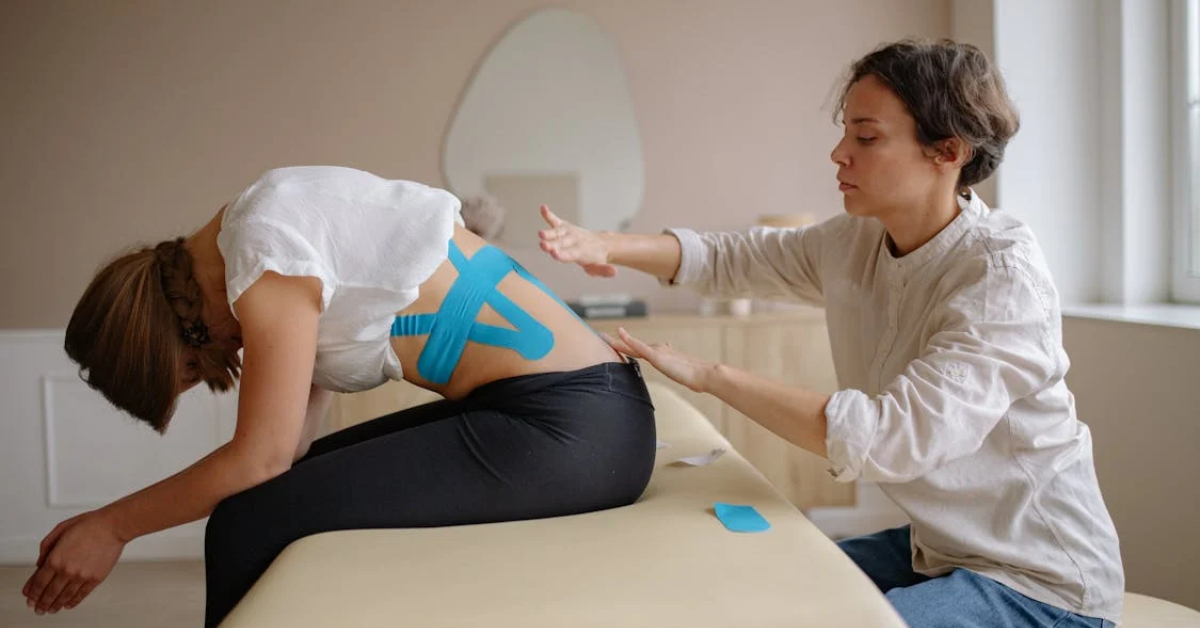
Following an appropriate assessment, a physiotherapist may identify factors related to mobility, strength, physical activity, posture, movement patterns and daily activities that could be contributing to your problem.
Depending on the individual, treatment may include:
- Therapeutic exercises
- Mobility exercises
- Strengthening programmes
- Movement and activity education
- Manual therapy where appropriate
- Functional rehabilitation
- Advice about returning to normal activities
- Strategies for preventing recurring problems
The WHO recommends structured exercise and appropriate physical interventions among the non-surgical approaches that may be used for chronic primary low back pain.
The most suitable programme should always be based on an individual’s symptoms, physical assessment and goals.
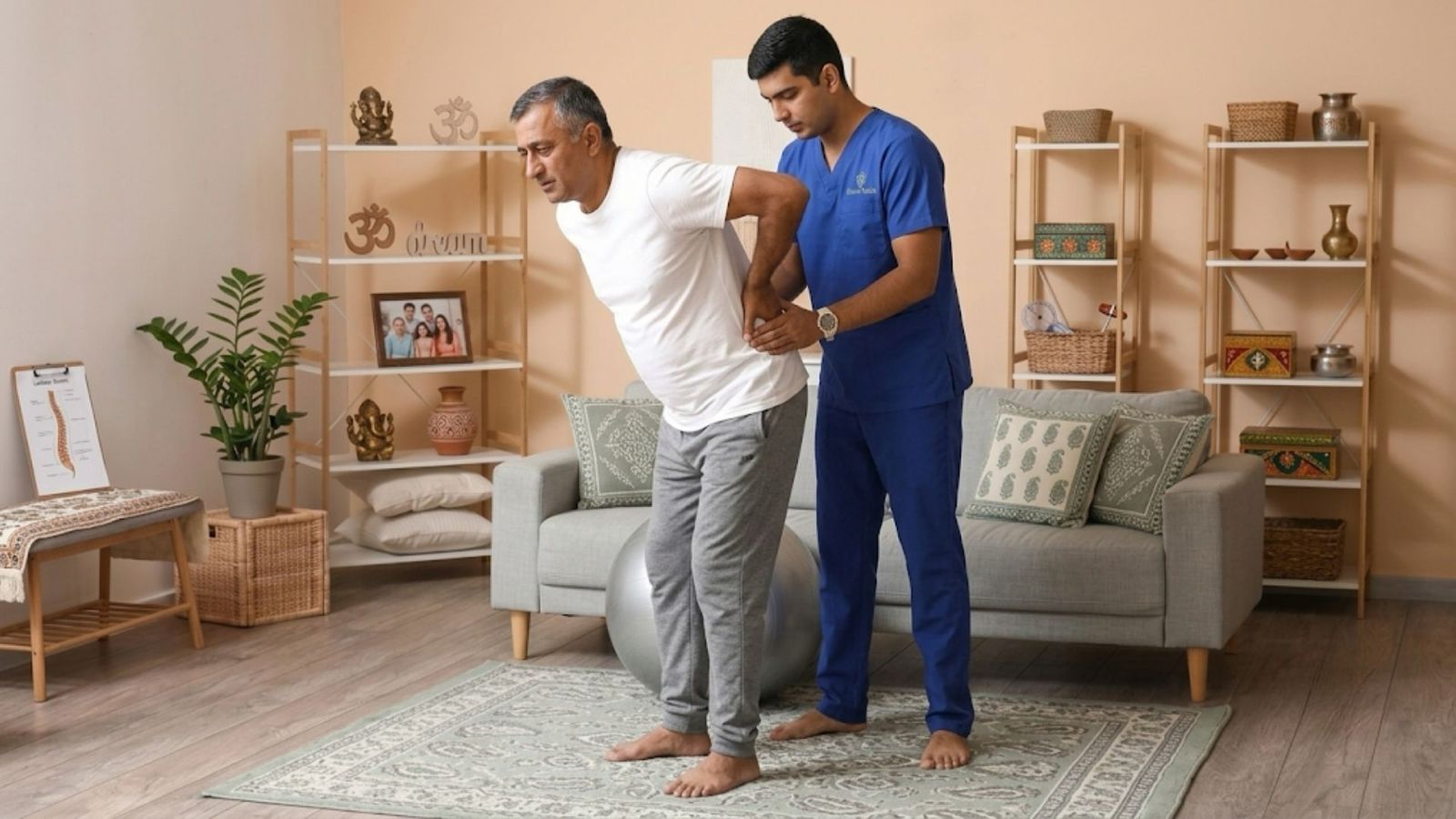
What Happens During a Physiotherapy Assessment?
A physiotherapy session generally begins with a detailed discussion about your symptoms and medical history.
Your physiotherapist may ask about:
- when the pain begins
- activities that increase or reduce symptoms
- your daily routine
- previous injuries
- work and exercise habits
- sleep and functional limitations
- any symptoms affecting your legs or other areas
A physical assessment may then examine movement, strength, flexibility, balance and functional activities.
Based on these findings, your physiotherapist can develop an individualised rehabilitation programme and explain what you can do between sessions.
This approach is particularly useful because two people with similar back pain may have very different contributing factors and rehabilitation needs.
Can Lower Back Pain Be Treated at Home?
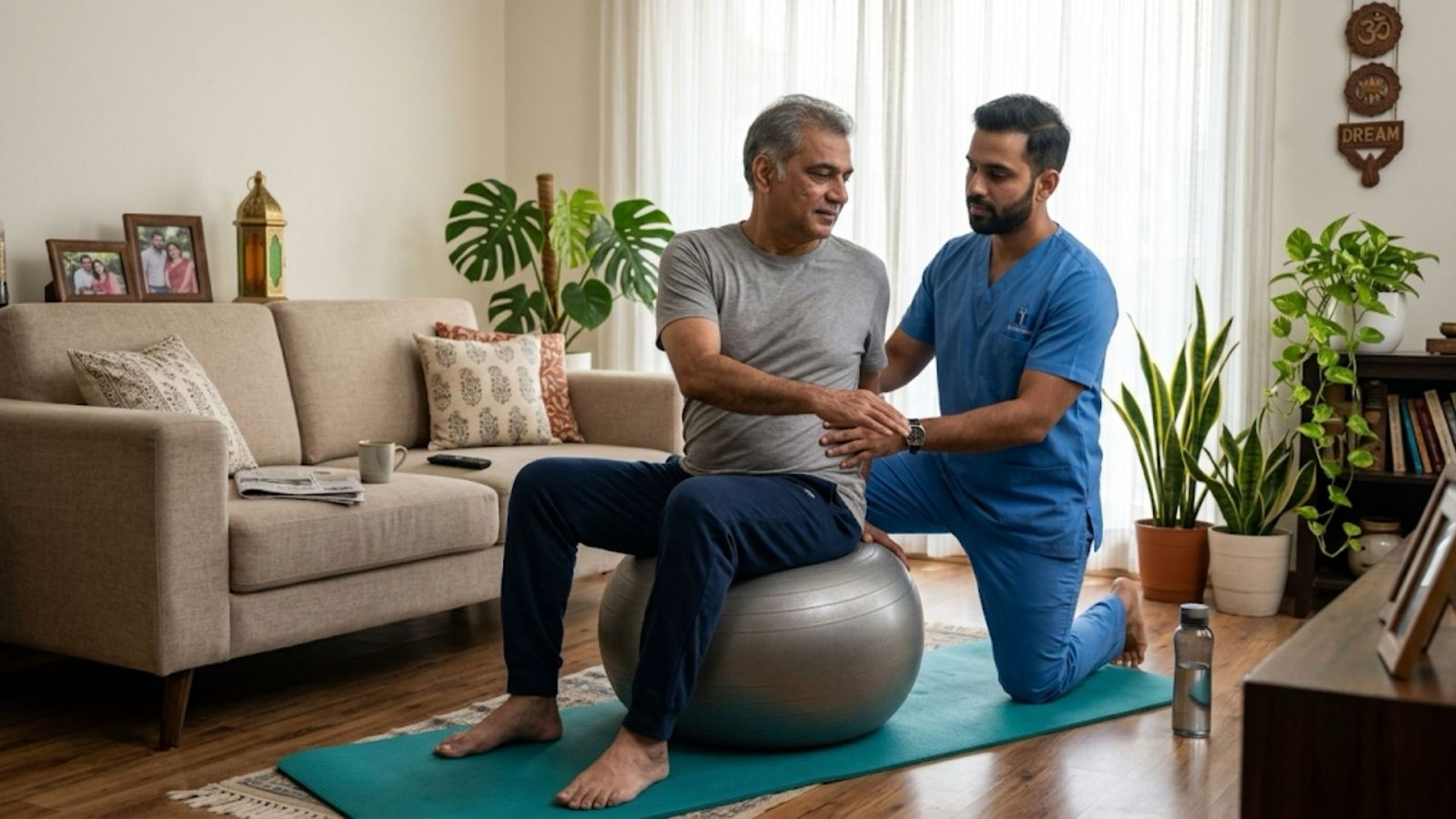
Yes, depending on the individual’s condition and clinical assessment, physiotherapy can sometimes be delivered at home.
Home physiotherapy can be particularly convenient for people who find travelling uncomfortable, have mobility limitations, are recovering after surgery, or simply prefer receiving rehabilitation in their own environment.
A physiotherapist can assess relevant movements and functional activities within the home setting and provide an exercise and rehabilitation programme suited to the person’s needs.
At Pelvispine Physiotherapy & Rehab Centre, our home physiotherapy services are designed to bring professional rehabilitation care directly to patients across Delhi, where clinically appropriate.
What Can You Do to Support Recovery?
For many people with non-specific low back pain, staying appropriately active is an important part of recovery.
Depending on your condition, useful habits may include:
- taking regular movement breaks during prolonged sitting
- gradually returning to normal activities
- maintaining appropriate physical activity
- following your prescribed exercise programme
- improving sleep habits
- avoiding prolonged bed rest
- using sensible lifting and movement techniques
The NHS advises people with back pain to remain active rather than staying in bed for long periods, while noting that exercises should be stopped if they make symptoms worse.
For more evidence-based information about chronic low back pain, you can also refer to the World Health Organization’s guideline on non-surgical management of chronic primary low back pain.
When Should You Seek Professional Help?
You should consider professional assessment if:
- your pain keeps returning
- symptoms are affecting your normal activities
- pain is not improving
- you are struggling to exercise or move normally
- you have experienced an injury
- you are unsure about the cause of your symptoms
- pain is interfering with work or sleep
A physiotherapist can assess your movement and functional limitations and determine whether physiotherapy is appropriate or whether you should be referred to another healthcare professional.
When Is Back Pain an Emergency?
Most cases of lower back pain are not emergencies, but certain symptoms require prompt medical attention.
Seek urgent medical care if back pain occurs with serious symptoms such as:
- significant weakness or numbness in the legs
- loss of bladder or bowel control
- numbness around the genital or inner-thigh area
- severe pain following a major accident or trauma
- unexplained significant weight loss
- fever or feeling seriously unwell alongside back pain
These symptoms may indicate a condition requiring urgent medical assessment.
Do not attempt to treat potentially serious symptoms through home exercises alone.
How Can You Reduce the Risk of Recurring Back Pain?
There is no guaranteed way to prevent every episode of back pain, but maintaining good physical capacity can help you manage everyday demands.
Consider building healthy habits such as:
- staying physically active
- strengthening your core, hips and lower limbs appropriately
- avoiding prolonged periods of inactivity
- taking breaks from sitting
- maintaining a healthy body weight
- using appropriate techniques when lifting
- gradually increasing exercise intensity
- addressing recurring pain early
Long-term management is often more effective when exercise, education and lifestyle changes are considered together rather than relying on one treatment alone. WHO’s guidance similarly emphasises person-centred and integrated care for chronic primary low back pain.
Why Choose Pelvispine Physiotherapy & Rehab Centre?
At Pelvispine Physiotherapy & Rehab Centre, our approach focuses on personalised rehabilitation rather than a one-size-fits-all treatment plan.
We aim to understand each patient’s symptoms, lifestyle, functional limitations and recovery goals before developing an appropriate treatment programme.
Our physiotherapy services can support people dealing with musculoskeletal problems, rehabilitation needs, mobility difficulties and recovery following injury or surgery.
For patients who require convenient care at home, our home physiotherapy services in South Delhi provide an alternative to travelling to a clinic for every session, where home-based treatment is clinically appropriate.
If you’re experiencing persistent back pain and would like professional guidance, you can book a physiotherapy appointment with Pelvispine.
Frequently Asked Questions
Is physiotherapy good for lower back pain?
Physiotherapy can be helpful for many people with lower back pain. Treatment may include education, exercises, mobility work, strengthening and functional rehabilitation depending on the individual’s assessment.
How many physiotherapy sessions are needed for back pain?
There is no fixed number of sessions. Recovery depends on the cause and duration of symptoms, physical condition, response to treatment and adherence to the rehabilitation programme.
Can I receive physiotherapy at home?
Yes. Home-based physiotherapy can be appropriate for many patients, particularly those with mobility difficulties, post-surgical rehabilitation needs or difficulty travelling.
Should I exercise when I have back pain?
Appropriate physical activity is generally an important part of managing many types of low back pain. However, exercises should be selected according to your symptoms and physical condition. If an exercise significantly worsens your symptoms, stop and seek professional advice.
Can back pain go away on its own?
Many episodes of non-specific back pain improve over time, but persistent, recurring or worsening symptoms should be assessed by an appropriate healthcare professional.
Conclusion
Lower back pain can affect almost every part of daily life, from sitting and walking to working, exercising and sleeping. While many cases are manageable, the right approach depends on understanding the individual’s symptoms, physical condition and functional goals.
Physiotherapy can form an important part of lower back pain treatment, particularly when the goal is to restore movement, improve strength, build confidence and return to normal activities.
If your back pain is affecting your everyday life or continues to return, professional assessment can help you understand your options and develop an appropriate recovery plan.
Pelvispine Physiotherapy & Rehab Centre is committed to bringing personalised physiotherapy and rehabilitation care closer to patients across South Delhi.
Ready to take the next step? Book an Appointment or explore our Home Physiotherapy Services.